Interior design is getting in touch with texture. Raised details, natural fibres, woven textiles, rough surfaces and handcrafted finishes create interiors that feel as good as they look. Texture is becoming the new language of luxury.
After years in which colour, organic shapes and minimalism have dominated much of the conversation around interiors, texture is demanding its share of the spotlight. ELLE Decor singles it out as one of its key trends for 2026: ‘Texture is the new luxury’. No longer merely a finishing touch, texture has moved into the foreground, bringing depth, warmth and personality to interiors.
Rough stone, washed linen, bouclé, hand-applied plaster, matt ceramics and wood with a strongly defined grain are gradually replacing flawless, smooth finishes. Uniformity has had its moment; the preference now is for surfaces that reveal how they were made. Etsy, the international marketplace for handmade and creative goods, has even selected its first-ever Texture of the Year for 2026, awarding the title to washed linen.
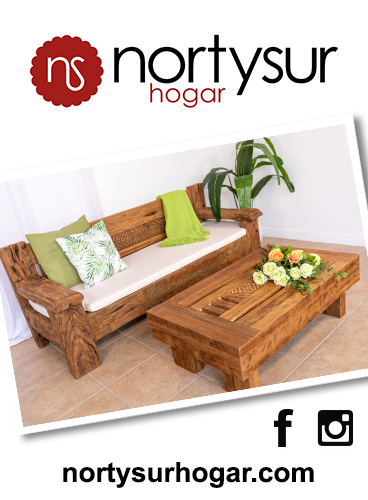
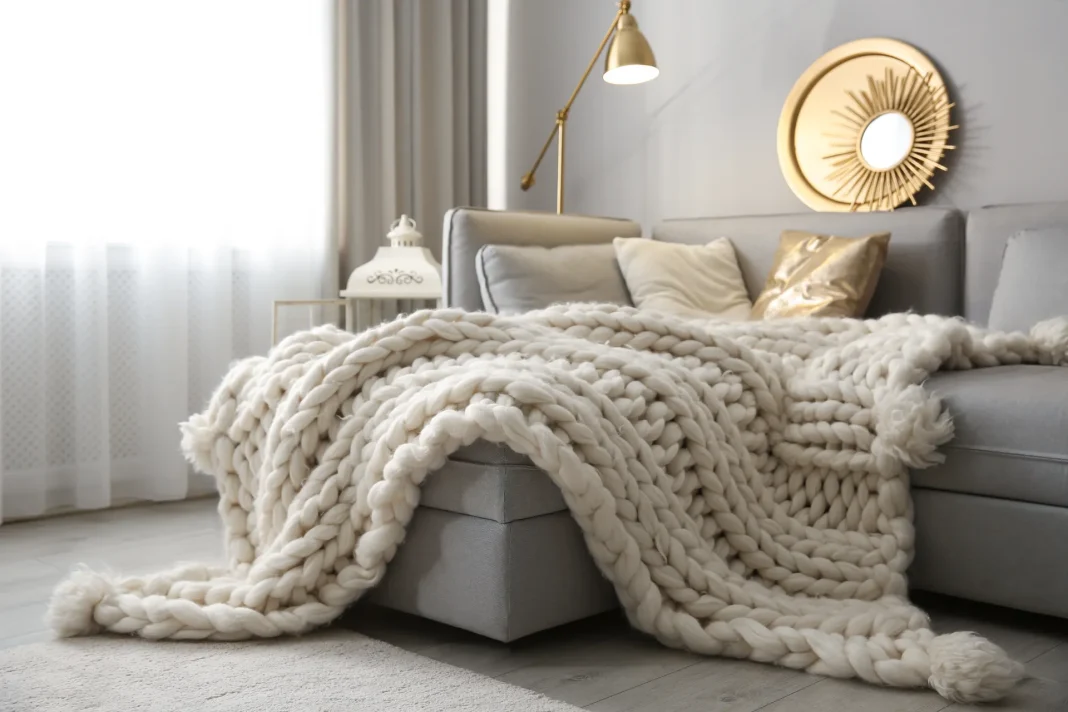
According to Homes & Gardens, the secret also lies in combining different textures. The magazine refers to ‘texture schemes’, built in much the same way as a colour palette. A deep-pile rug might sit alongside a wool sofa, wood with its natural grain on show, irregular ceramics, stone and lightweight fabrics. There is no need to introduce more colour. Instead, contrasts between smooth and rough, matt and glossy, firm and soft create layers and volume. The trend also extends to walls and architectural features, with handcrafted finishes, raised details and surface treatments adding a tactile dimension to the room.
The Chaddar and Momos collections by GAN, part of the Gandia Blasco Group, capture this direction particularly well. Voluminous rugs, heavy weaves, raised textures and irregular finishes create pared-back colour schemes whose richness comes from the materials themselves.
This does not necessarily mean piling on texture for its own sake. As with colour, textures can be carefully balanced and used to create effective contrasts. A single highly textured piece can transform a plain room, while several layers can produce a far more sensory space. Interior design is rediscovering the pleasure of touch.