
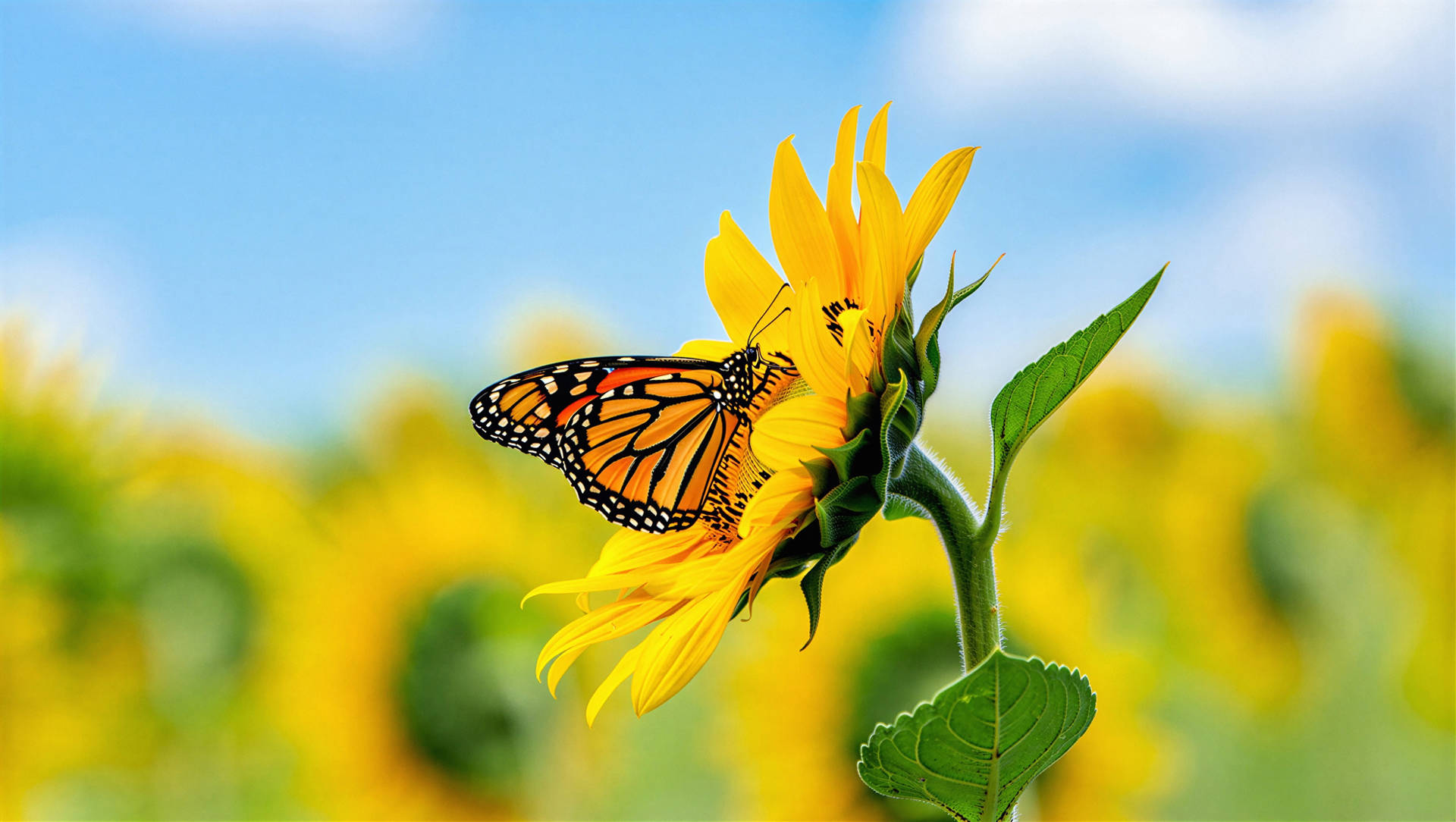
Pollinator gardens are a popular, intelligent and practical gardening trend. In Lanzarote, where saving water is common sense, drought-resistant plants with long-lasting summer blooms make them well suited to the island.
Pollinator gardens emerged in response to the steady decline of butterflies, bees and other insects essential to natural balance. The movement gained real momentum in the United Kingdom and the United States towards the end of the twentieth century, promoting planted spaces designed not simply for decoration, but to provide food and shelter for beneficial wildlife. Today, they reflect a broader shift towards gardening that is more thoughtful, resilient and better adapted to local conditions.
The essentials are straightforward: plenty of flowering plants, blooms staggered throughout the year, vegetation arranged at different heights, and a small, regularly refreshed water source. Even a shallow dish with stones for insects to land on, a damp, shaded corner or a discreet pond can make a significant difference. Together, these elements provide food, shelter and resting places for butterflies, bees and other beneficial visitors, while making the garden far more vibrant and alive.
In Lanzarote, where water conservation is part of everyday life, this kind of garden makes perfect sense provided you choose the right plants. The key lies in choosing drought- hardy species that flower throughout the summer, layering them at different heights, and creating small pockets of shade to provide respite from the heat. The result is a garden that looks striking and works with, rather than against, the island’s conditions.
Many drought-hardy plants are perfectly suited to this kind of garden. Lavender, lantana, salvias and gauras all thrive in full sun and arid conditions, while others, such as gerberas, certain daisies and some varieties of verbena, benefit from partial shade or filtered light during the hottest part of the day.
To create a fuller, more natural-looking garden, plants work best when arranged in groups and layered at different heights. Gerberas, compact daisies and low-growing verbenas are ideal towards the front; lantanas, established lavenders and fuller daisies suit the middle ground; while gauras, taller verbenas and some salvias bring height, movement and structure towards the back. The result is a garden that feels both natural and inviting, while also providing a far more welcoming environment for butterflies, bees and other pollinators.