
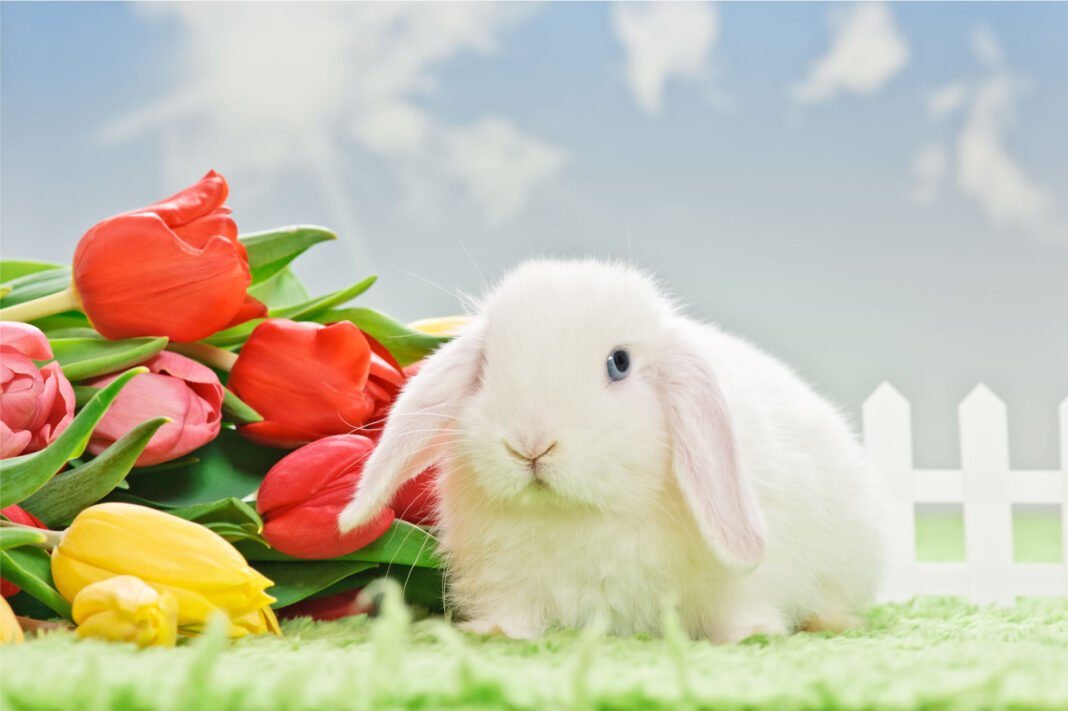
Domestic rabbits may look cute and cuddly, but they’re undeniably high maintenance. Lanzarote’s climate is particularly challenging, as they struggle in hot weather, so short-haired breeds are the sensible choice.
Rabbits are permitted as pets under Spanish Law 7/2023, but only the domestic rabbit (Oryctolagus cuniculus). If you’re considering one as a companion animal in the Canary Islands, it must be microchipped at a veterinary clinic (ideally one specialising in exotic pets) and registered with the Canary Islands Animal Identification Registry (ZOOCAN).
As a rule, rabbits do not cope well with high temperatures. Therefore, among the many breeds, the best suited to Lanzarote is a short-haired variety, such as the Rex or Mini Rex (or crossbreeds). Their comfort zone ranges from 10 to 21°C. Once the thermometer hits 25°C, the risk of heatstroke increases significantly, so they require constant shade, good ventilation and fresh water.
Both the Rex and Mini Rex are known for their dense and velvety fur in shades ranging from snowy white to jet black, with greys, browns, slate blues, creams, and russets in between. Markings range from solid colours to pointed and spotted patterns. Adult Rex rabbits are typically 35–40 cm long, weigh 3.4–4.8 kg, and live 6–8 years. Mini Rex rabbits are smaller, at 25–30 cm, weighing 1.6–2 kg, with a lifespan of 7–10 years. Temperament-wise, they’re generally calm, friendly, sociable and inquisitive, with a playful streak. Many dislike being picked up or held high, but they’ll happily explore their surroundings, nudge for attention and play. Ideally, rabbits should be kept in compatible, neutered pairs.
When handling rabbits, it helps to keep a strict never-ever list in mind: never pick them up by the ears; never lift them by the scruff of the neck; never chase or corner them; and never grab them suddenly from above, which feels like a predator attack. Instead, move slowly, approach from the side, and allow them to see your hand before touching them.
Their diet always relies on one essential – unlimited, fresh hay. Incorporate leafy greens gradually, offer a small amount of rabbit pellets (not muesli-style mixes), and ensure water is always available, in a bottle or a bowl. Avoid seed and cereal mixes, bread, biscuits, chocolate, sugary “treats” and, in general, table scraps. Routine care revolves around teeth, nails, brushing and hygiene.
Rabbits also need room to stretch, hop, sprint, and stand fully upright. A sturdy indoor playpen-style enclosure measuring around 3 × 2 × 1 metres works well. Place essentials inside, like a litter tray, a hideaway for privacy, a hay and water station, and a non-slip floor (rug, mat or runner) so they don’t skid. Additionally, plan a daily free-roam time in a rabbit-proofed area with no exposed cables or anything dangerous they might chew.